

- Market Size (2026)
- USD 326.5 Mn
- Forecast (2036)
- USD 486.9 Mn
- CAGR (2026 to 2036)
- 4.1%
Bus and Coach Suspension Bearing Components Market Size, Forecast, and Outlook By FMI
Summary of the Bus and Coach Suspension Bearing Components Market
- Demand and Growth Drivers
- High urban duty cycles and stop‑start operations accelerate joint wear, supporting recurring replacement demand for spherical and leaf spring bushings through planned depot maintenance.
- Growing adoption of air suspension systems raises the number of pivot and articulation points, increasing the per‑vehicle content of suspension bearing components in both OEM fitment and service programs.
- Public transport fleet renewal programs in Asia and Latin America expand OEM fitment volumes, while sustaining long‑term aftermarket demand as new platforms enter high‑mileage service environments.
- Product and Segment View
- Spherical bushings are projected to lead component type with 34.2% share as they handle angular motion at axle joints.
- Elastomer bonded designs are expected to lead bearing design with 41.5% share since they reduce harsh vibration.
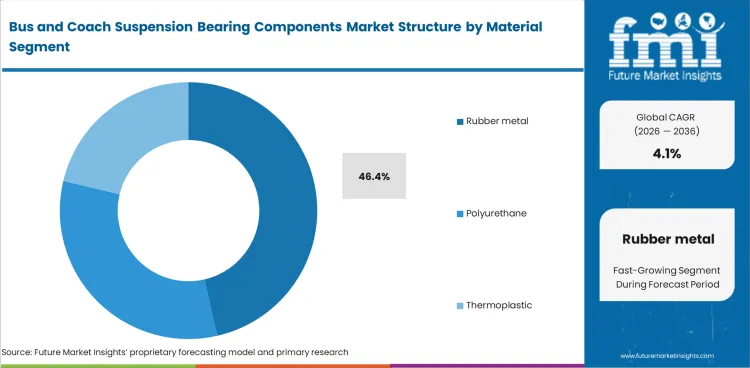
- Rubber metal materials are anticipated to hold 46.4% share in 2026 with proven fatigue resistance in bus frames.
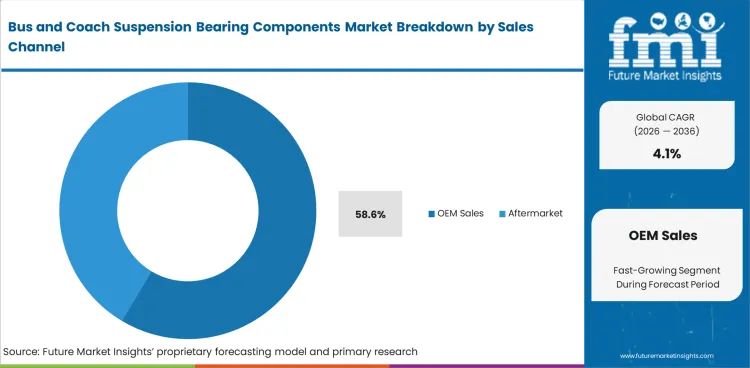
- OEM channels are estimated to hold 58.6% share in 2026 due to early fitment inside axle assemblies.
- Geography and Competitive Outlook
- China and India are forecast above the global pace due to bus electrification and public fleet renewal.
- Germany and Japan are expected below the global pace as mature fleets create more replacement-led value.
- SKF carries an estimated 13.0% share across relevant bearing positions among verified component suppliers.
- ZF and Continental shape adjacent suspension packages through axle systems and air spring supply.
- Analyst Opinion
- Nikhil Kaitwade, Principal Consultant at FMI says, "Electric buses carry heavier battery packs and run intense urban cycles. That raises stress on suspension pivots and rubber metal joints. Buyers are looking for parts that reduce noise and lower workshop time over the life of the vehicle. Suppliers gain ground when they can prove fatigue life and fitment support across several axle layouts. Clients should watch how city bus electrification changes replacement intervals and how local service networks handle rubber degradation in hot and wet operating conditions."
- Bus and Coach Suspension Bearing Components Market Value Analysis
- Spherical bushings lead component demand as bus suspension pivots need controlled angular movement under high axle load.
- Aftermarket sales create the second value pool as bus operators replace worn bushings during scheduled chassis overhaul.
- OEM channels account for the larger share since suspension bearings are approved inside axle and frame packages.
- Price pressure stays high in replacement channels where fleet workshops compare part life against downtime cost.
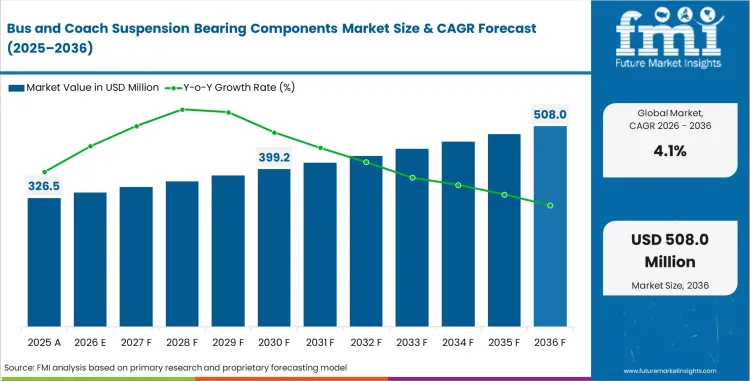
Key Takeaways, Market Size, and Forecast
- The 2025 market value is estimated at USD 312.8 million using bus output volumes and component replacement rates.
- The sector is forecast to reach USD 486.9 million by 2036 as electric buses raise axle load sensitivity.
- The market is projected to expand at 4.1% CAGR during 2026 to 2036 across new build and replacement channels.
- Incremental opportunity is forecast at USD 160.4 million between 2026 and 2036 across bus and coach platforms.
- Spherical bushings are expected to represent 34.2% share in 2026 with high use in suspension articulation points.
- China is projected to record a 5.6% CAGR through 2036 as electric bus output sustains component replacement demand.
- Elastomer bonded designs are estimated to hold 41.5% share in 2026 as they combine damping and load control.
- OEM channels are projected to represent 58.6% share in 2026 since axle packages are specified early in chassis design.
Bus and Coach Suspension Bearing Components Market Definition
This market covers bearing parts and rubber metal joints used in bus and coach suspension systems. Included products are bushings, conical bearings, spherical plain bearings, and related axle support parts. These parts support vibration damping, load transfer, and movement control between axles and vehicle frames. The scope excludes wheel hub bearings, engine bearings, seat dampers, and rail suspension products.
Bus and Coach Suspension Bearing Components Market Inclusions
The scope includes rubber metal bushings, polyurethane bushings, conical bearings, spherical plain bearings, OEM channels, aftermarket channels, air suspension use, leaf suspension use, and demand across major bus-producing regions.
Bus and Coach Suspension Bearing Components Market Exclusions
The scope excludes passenger car bushings, truck-only hub bearings, rail bogie bearings, engine crank bearings, drivetrain clutch bearings, seat suspension parts, and non-vehicle industrial mounts.
Bus and Coach Suspension Bearing Components Market Research Methodology
- Primary Research: FMI analysts reviewed component buyers across bus OEMs, fleet workshops, axle suppliers, and aftermarket distributors. Inputs focused on replacement intervals, approval cycles, vehicle duty profiles, and field failure patterns.
- Desk Research: Desk research used public bus output data, transport agency fleet data, and official company product disclosures. Technical references were checked for suspension terminology and bearing use inside chassis systems.
- Market Sizing and Forecasting: The sizing model combined bus production, parc renewal, average bearing count, and replacement pricing. Country values were adjusted for electric bus penetration and fleet age.
- Data Validation: Forecasts were checked against bus production statistics, public transport vehicle data, and supplier product ranges. Final values were reviewed against adjacent bearing and air suspension component categories.
Why is the Bus and Coach Suspension Bearing Components Market Growing?
- Electric city buses increase chassis loads and push buyers toward higher fatigue life bushings.
- Urban stop-start routes accelerate joint wear and support recurring aftermarket replacement.
- Air suspension adoption raises the need for pivot control around axle and ride-height systems.
- Public bus renewal programs create larger OEM fitment pools in India and China.
- Fleet workshops prefer parts with traceable fitment data as warranty risk shifts to service channels.
Public transport fleets create a steady replacement channel for suspension bearing parts. The American Public Transportation Association reported 71,304 buses available for service in the United States during report year 2023 in its 2025 fact book. This fleet size shows why repeat service demand can matter as much as new vehicle output. High-mileage bus routes expose leaf spring eyes and stabilizer joints to repeated torsion. Suppliers with strong catalog coverage can win workshop orders when downtime has a direct cost.
Electric buses change the technical load case for suspension joints. ACEA reported 9,089 electrically chargeable bus registrations in the EU during 2025 and a 23.8% share of bus registrations. Battery weight and roof-mounted equipment increase the need for controlled damping at frame interfaces. This supports rubber metal and air suspension bearing components with better fatigue resistance. The practical result is a higher value mix even when bus unit growth is moderate.
Market Segmentation Analysis
- With an estimated 34.2% share in 2026, spherical bushings are expected to lead component type demand around axle joints.
- Elastomer bonded designs are anticipated to hold 41.5% of bearing design demand in 2026 with strong damping performance.
- City bus platforms are projected to account for 44.8% of vehicle demand in 2026 due to higher route intensity.
- OEM channels are expected to represent 58.6% share in 2026 as chassis approvals start during vehicle development.
- Rubber metal materials are forecast to hold 46.4% share in 2026 where fatigue life and damping need to work together.
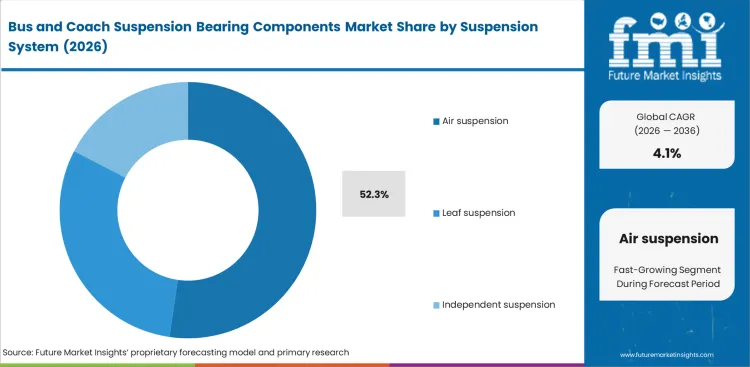
- Air suspension systems are projected to account for 52.3% share in 2026 as comfort standards shape urban bus tenders.
Segment behavior reflects a split between original fitment and replacement maintenance. OICA published 2024 bus and coach production data by country and type in October 2025. That production base supports OEM component use but does not capture replacement cycles. Aftermarket demand follows route intensity and fleet age more closely than production alone. This means suppliers need both vehicle program access and catalog depth for older platforms.
Insights into the Spherical Bushings Component Type Segment
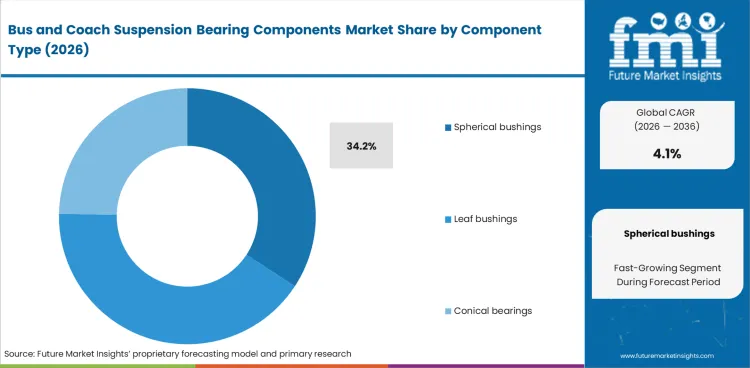
Bus and Coach Suspension Bearing Components Market Analysis By Component Type
- Spherical bushings are projected to account for 34.2% of component type demand in 2026 as axle joints need angular movement with controlled radial stiffness. Their lead reflects use in high-load pivot points across bus suspension layouts.
- Fleet workshops often compare spherical bushings against conical bearings by noise return after fitment. This creates repeat orders for suppliers with clear vehicle cross-reference data and stable rubber hardness.
Insights into the Elastomer Bonded Bearing Design Segment
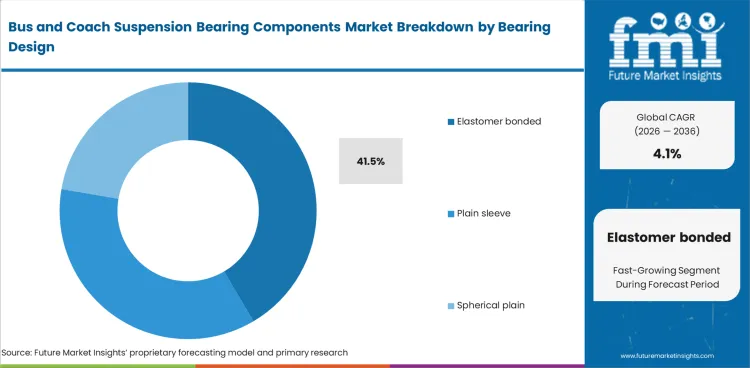
Bus and Coach Suspension Bearing Components Market Analysis By Bearing Design
- Elastomer bonded designs are estimated to hold 41.5% of bearing design demand in 2026 as they combine isolation and movement control in one part. Their value comes from reducing harshness without complex service steps.
- Design approval often depends on fatigue testing under repeated twist cycles. Smaller suppliers lose ground when they cannot provide validation data for axle loads and temperature exposure.
Insights into the City Buses Vehicle Type Segment
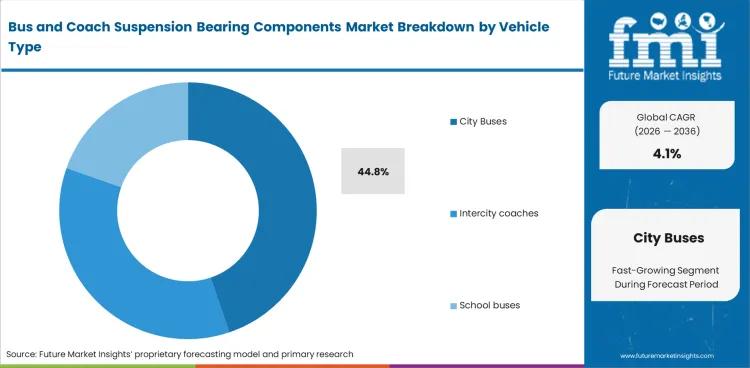
Bus and Coach Suspension Bearing Components Market Analysis By Vehicle Type
- City buses are expected to represent 44.8% of vehicle type demand in 2026 due to high daily mileage and repeated curb impacts. Frequent braking creates more suspension joint stress than long-distance coach use.
- Urban operators replace bushings during depot maintenance rather than waiting for roadside failure. This favors parts that fit quickly and reduce vehicle downtime.
Insights into the OEM Sales Channel Segment
Bus and Coach Suspension Bearing Components Market Analysis By Sales Channel
- OEM channels are anticipated to hold 58.6% of sales channel value in 2026 as suspension bearings are approved inside axle packages. Early program access gives suppliers a durable position.
- Aftermarket parts must match original dimensions closely since incorrect stiffness can alter ride height and steering feel. Catalog precision therefore becomes a sales tool.
Insights into the Rubber Metal Material Segment
Bus and Coach Suspension Bearing Components Market Analysis By Material
- Rubber metal material is projected to account for 46.4% of material demand in 2026 since it balances damping and load transfer. Bus makers continue to use it at chassis connection points.
- Material choice is shaped by heat and ozone exposure in urban duty. Suppliers with compound control can reduce cracking risk across hot and wet routes.
Insights into the Air Suspension Suspension System Segment
Bus and Coach Suspension Bearing Components Market Analysis By Suspension System
- Air suspension systems are expected to hold 52.3% of suspension system demand in 2026 as city fleets favor ride comfort and kneeling functions. This raises use of linked pivot components.
- Continental states that its commercial vehicle air spring portfolio covers trucks and buses with wide aftermarket references. That breadth supports bearing suppliers tied to air suspension service packages.
Bus and Coach Suspension Bearing Components Market Drivers, Restraints, and Opportunities
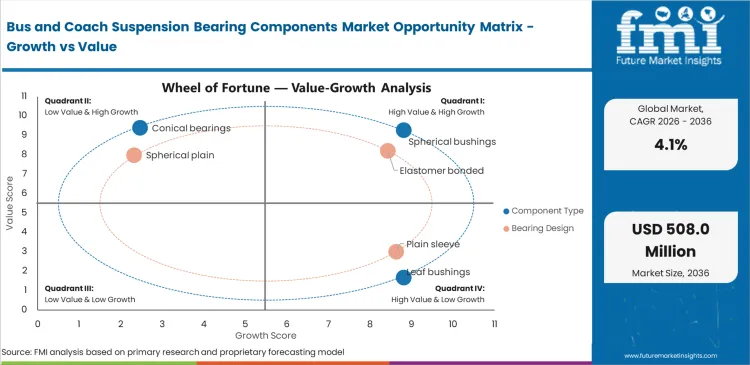
- Electric bus axle loading supports higher value rubber metal joints with longer fatigue life.
- Urban fleet overhaul cycles create repeat replacement demand for bushings and conical bearings.
- Price pressure restrains premium components when public operators buy on lowest compliant bid.
- Air suspension service packages open opportunities for suppliers with bearing and damping part coverage.
- Local catalog support improves distributor conversion when older bus platforms stay in service.
Battery Load Bearing Stress
Electric bus architecture changes the suspension bearing load profile. ICCT reported in March 2025 that China sold more than 230,000 zero-emission trucks and buses during 2024. This shows how electrified heavy vehicles are moving from trial fleets into larger operating pools. Battery mass and thermal systems alter axle loads and roll behavior. Suppliers able to validate rubber metal joints under higher mass conditions gain a better position with OEMs and city bus operators.
Depot Maintenance Replacement Cycles
Bus fleets buy suspension bearing parts through planned maintenance as much as through repair events. APTA reported 7.7 billion public transport trips in the United States during 2024 in its 2025 annual report. High passenger movement keeps buses on long daily schedules and reduces tolerance for unplanned workshop stops. Worn bushings create noise and steering complaints before complete failure. Replacement demand therefore follows route intensity and service discipline.
Public Tender Price Pressure
Public fleet buyers often separate vehicle price from lifetime parts cost. This creates a restraint for premium bearing parts when tenders focus on upfront chassis pricing. The risk is higher in markets where city operators buy large lots under strict budget windows. Suppliers can offset this pressure with service life proof and distributor training. The opportunity lies in showing lower downtime rather than only a higher component grade.
Analysis of Bus and Coach Suspension Bearing Components Market By Key Countries
.webp "Top Country Growth Comparison Bus And Coach Suspension Bearing Components Market Cagr (2026 2036)")
| Country | CAGR |
|---|---|
| China | 5.6% |
| India | 5.4% |
| Brazil | 4.8% |
| United States | 4.2% |
| Germany | 3.9% |
| Japan | 3.2% |
| United Kingdom | 3.1% |
Source: FMI analysis based on primary research and proprietary forecasting model.
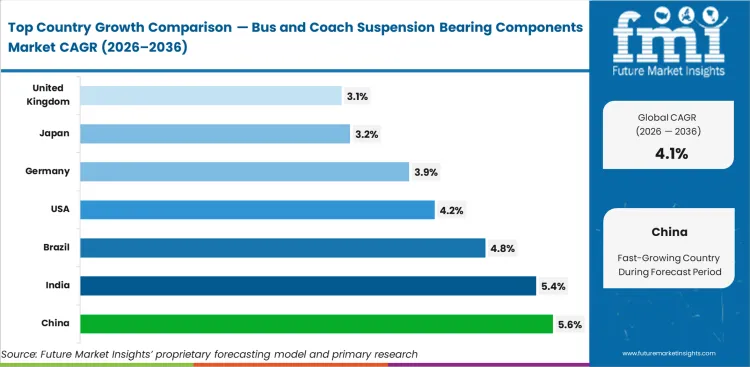
Bus and Coach Suspension Bearing Components Market CAGR Analysis By Country
- China is projected to record a 5.6% CAGR through 2036 as electric bus output keeps component stress high.
- India is expected to expand at 5.4% CAGR through 2036 since state bus renewal creates OEM fitment demand.
- Brazil is forecast to grow at 4.8% CAGR through 2036 as bus chassis production supports regional replacement channels.
- The United States is expected to advance at 4.2% CAGR through 2036 given its large transit and school bus fleet.
- Germany is projected to rise at 3.9% CAGR through 2036 where electric bus registrations support premium components.
- Japan is forecast at 3.2% CAGR through 2036 as mature production keeps replacement value steady.
- The United Kingdom is expected to post 3.1% CAGR through 2036 with city bus electrification supporting selective upgrades.
China and India are forecast above the global average as bus output and electric fleet renewal both support component value. Brazil records above-average growth due to local chassis production. The United States is close to the global pace due to its large replacement pool. Germany, Japan, and the United Kingdom track below China as mature fleets shift more value into maintenance than unit expansion.
Demand Outlook for Bus and Coach Suspension Bearing Components in China
China holds the largest production pool for buses and coaches across the countries reviewed. ICCT reported more than 230,000 zero-emission truck and bus sales in China during 2024. This figure points to a heavy vehicle electrification base that lifts suspension load requirements. Bus makers need bearing parts that can absorb repeated weight transfer and road shock. Suppliers with local validation support can convert electric platform growth into higher specification demand.
- Beijing and Shenzhen electric bus fleets keep pressure on rubber metal joints due to dense urban stop-start cycles.
- China Ministry of Transport policy support for green public transport keeps electric bus platforms relevant for axle suppliers.
- Guangdong bus manufacturing clusters support local sourcing of bushings and axle-related replacement parts.
Sales Analysis of Bus and Coach Suspension Bearing Components in India
India combines a large public bus fleet with ongoing state transport renewal. SIAM reported in February 2026 that India had 20.43 lakh registered buses in 2024. This fleet stock creates a wide service pool for bushings and conical bearings. Public operators are sensitive to part cost but cannot ignore downtime in high-use depots. Suppliers with fitment support in state transport hubs can gain aftermarket share.
- Delhi Transport Corporation and BEST Mumbai place high daily mileage on urban bus suspension joints.
- PM-eBus Sewa supports new electric bus additions across Indian cities and raises OEM suspension part demand.
- Tamil Nadu transport undertakings continue large bus purchases that support chassis and suspension replacement channels.
Demand Analysis of Bus and Coach Suspension Bearing Components in Brazil
Brazil is structurally important because it manufactures bus chassis for domestic and export use. ANFAVEA-linked reporting showed Brazilian bus chassis production reached 28,191 units in 2025 and rose 1.6% from 2024. That production scale supports OEM bearing demand and local aftermarket stocking. Harsh road conditions and long intercity routes create steady service needs. Suppliers that support body builders and chassis makers can defend margins.
- Sao Paulo urban corridors create high-load daily use for city buses and related suspension components.
- BNDES-backed fleet renewal finance can affect bus purchases and replacement part demand.
- Marcopolo and Mercedes-Benz do Brasil anchor the country’s bus body and chassis ecosystem.
Opportunity Analysis of Bus and Coach Suspension Bearing Components in the United States
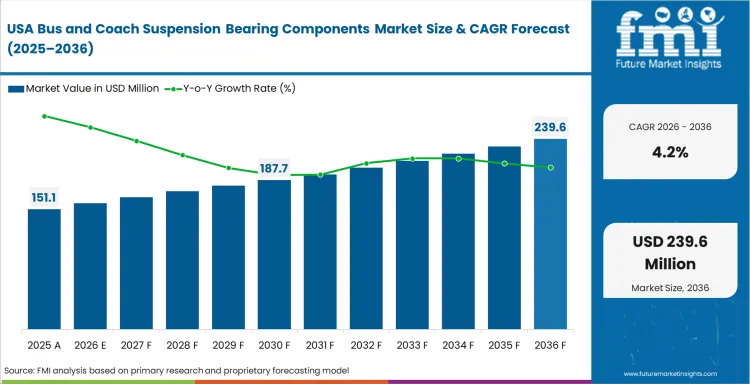
The United States offers a large replacement pool tied to transit and school bus use. The 2025 APTA Fact Book reported 71,304 buses available for public transit service in report year 2023. This number excludes many school buses and private coaches. Replacement demand therefore extends beyond transit agencies into private maintenance channels. Suppliers win when catalogs cover older platforms and meet fleet uptime targets.
- New York MTA and Los Angeles Metro operate large bus networks that place recurring stress on suspension joints.
- Federal Transit Administration funding affects bus replacement timing across state and city transit agencies.
- School bus fleets in Texas and California support a broad replacement channel for suspension bushings.
Future Outlook for Bus and Coach Suspension Bearing Components in Germany
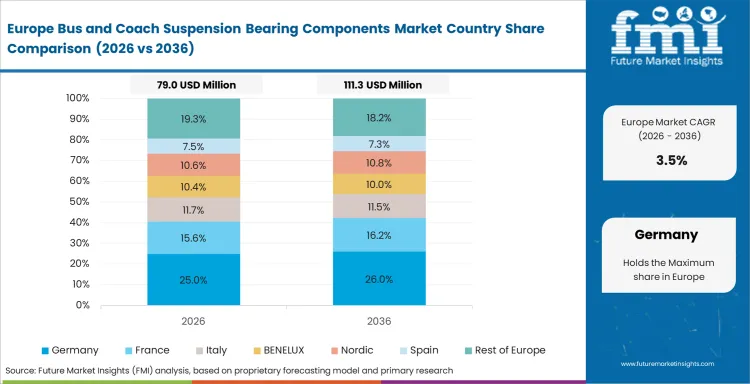
Germany is a high-value market due to premium bus production and electric bus growth. ACEA reported Germany led major EU bus registration growth at 28% in 2025. This strengthens OEM and replacement demand for suspension bearing parts used in newer platforms. German buyers place weight on validated quality and long-term parts availability. Suppliers with European engineering support can protect higher-value business.
- Berlin and Hamburg electric bus programs increase attention on air suspension and chassis durability.
- The Federal Motor Transport Authority registration framework supports traceable bus fleet data for suppliers.
- German coach production and service channels keep demand for premium rubber metal parts steady.
Demand Outlook for Bus and Coach Suspension Bearing Components in the Japan
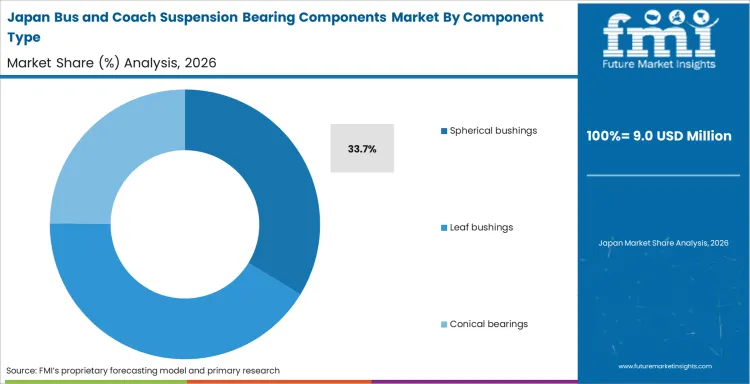
Japan remains a mature but technically demanding market for bus suspension components. JAMA reported bus production of 101,000 units in Japan during 2024 and a 4.3% decline from the prior year. Lower production does not remove replacement demand from urban and intercity fleets. Operators value low noise and long service intervals due to dense city operations. Suppliers need tight fitment quality and strong local channel access.
- Tokyo and Osaka bus networks sustain replacement demand through frequent urban duty cycles.
- Japan Automobile Manufacturers Association production data supports a stable manufacturing reference point for suppliers.
- Hino and Isuzu bus platforms shape local chassis requirements for rubber metal suspension parts.
In-depth Analysis of Bus and Coach Suspension Bearing Components in United Kingdom
The United Kingdom is shaped by city bus electrification and a mature aftermarket structure. Urban operators in London and other large cities use low-emission bus programs to replace older fleets. This raises the value of air suspension and rubber metal components in selected platforms. The country is not the fastest volume grower but it offers quality-led replacement demand. Suppliers with OE cross-reference depth can serve fleet workshops well.
- Transport for London bus contracts create recurring demand for suspension parts under high urban mileage.
- Greater Manchester bus franchising shifts buying discipline toward standardized service and maintenance routines.
- UK zero-emission bus funding supports electric platform purchases that change axle and suspension load profiles.
Competitive Landscape and Strategic Positioning
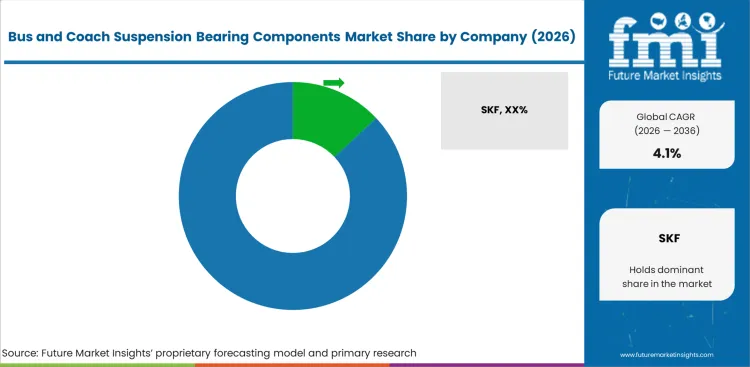
- Competition is moderately concentrated among bearing specialists and suspension system suppliers with bus platform access.
- SKF, Schaeffler, Timken, NTN, and NSK hold ground through bearing engineering depth and global channels.
- ZF and Continental shape adjacent demand through axle systems and air suspension component portfolios.
- Smaller suppliers compete in replacement channels when they offer accurate cross-reference data and local availability.
- Entry barriers include fatigue testing, OEM approvals, rubber compound control, and distributor trust.
Competition in this market is shaped by approval depth rather than simple part availability. ZF stated in October 2025 that its next-generation A134 bus axle keeps existing installation points and targets lower energy use. This matters for bearing component suppliers since axle changes define the space and loads around suspension joints. Firms with early access to platform data can tune parts before launch. This gives system-linked suppliers an edge over catalog-only competitors.
Bearing specialists retain influence where bus operators need proven fatigue life and global part support. Schaeffler reported 2025 group revenue of EUR 23.5 billion and cited Powertrain and Chassis as a core contributor. That scale supports engineering and validation resources across vehicle platforms. Timken, SKF, NTN, and NSK compete through similar bearing know-how. Buyers tend to favor suppliers that can document material life and part traceability.
Specialist rubber and vibration-control suppliers win where damping performance is central to comfort. Vibracoustic states that its commercial vehicle products serve trucks, tractors, trailers, buses, and coaches. Its leaf spring bushing information explains how the part connects the leaf spring to the chassis. These details match a critical use point for this report. The challenge for smaller firms is proving long-term rubber behavior under heat and road contamination.
Key Companies in the Bus and Coach Suspension Bearing Components Market
The supplier structure combines bearing makers, axle system firms, and rubber vibration-control specialists.
- Global Leaders: SKF, Schaeffler, Timken, NTN, and NSK bring bearing design depth, global plant networks, and documented commercial vehicle exposure. Their strength is strongest where OEMs need validation support and repeatable part quality across regions.
- System and Suspension Specialists: ZF, Continental, and Vibracoustic influence the market through axle systems, air spring portfolios, and rubber metal vibration control parts. Their positions matter because bus makers often specify suspension bearings inside larger chassis packages.
- Regional and Niche Players: Trelleborg and local aftermarket manufacturers compete through rubber compound skill, cross-reference catalogs, and fast supply. They gain share where older buses remain active and fleets need economical replacement parts.
Competitive Benchmarking: Bus and Coach Suspension Bearing Components Market
| Company | Fatigue Validation Depth | Bus Fitment Coverage | Aftermarket Cross-Reference Depth | Geographic Footprint |
|---|---|---|---|---|
| SKF | High | Strong | High | Global |
| Schaeffler | High | Strong | Strong | Global |
| Timken | High | Medium | Strong | Global |
| NTN | High | Medium | Strong | Global |
| NSK | High | Medium | Strong | Global |
| ZF | Strong | High | Medium | Global |
| Continental | Medium | High | High | Global |
| Vibracoustic | Strong | High | High | Global |
| Trelleborg | Strong | Medium | Medium | Europe and Asia |
Source: Future Market Insights competitive analysis, 2026. Ratings reflect relative positioning based on fatigue validation depth, bus fitment coverage, and aftermarket cross-reference depth.
Key Developments in Bus and Coach Suspension Bearing Components Market
- In August 2024, Continental launched the N7 commercial vehicle air spring variant for aftermarket replacement. The product supports suspension service in heavy commercial fleets.
- In May 2025, NTN started proposals for HA-C bearings with high antiwear and capacity positioning. The design supports smaller and lighter automotive drive units.
- In June 2025, ZF said the ten thousandth CeTrax electric central drive rolled off the assembly line. Bus electrification changes adjacent chassis part needs.
- In September 2025, SKF opened a super-precision bearing facility in Airasca, Italy. The site adds European bearing manufacturing and support depth.
- In October 2025, ZF premiered next-generation bus axles including the A134 and AV134. These systems affect axle load paths and suspension component requirements.
Key Players in the Bus and Coach Suspension Bearing Components Market
Global Leaders
- SKF
- Schaeffler
- Timken
- NTN
- NSK
System and Suspension Specialists
- ZF
- Continental
- Vibracoustic
Regional and Niche Players
- Trelleborg
- Local aftermarket manufacturers
Report Scope and Coverage
| Parameter | Details |
|---|---|
| Quantitative Units | USD 326.5 million in 2026 to USD 486.9 million in 2036 at 4.1% CAGR |
| Market Definition | Bearing parts and rubber metal joints used in bus and coach suspension systems |
| Regions Covered | North America, Latin America, Europe, East Asia, South Asia and Pacific, Middle East and Africa |
| Countries Covered | China, India, Brazil, United States, Germany, Japan, United Kingdom, and 30+ countries |
| Key Companies Profiled | SKF, Schaeffler, Timken, NTN, NSK, ZF, Continental, Vibracoustic, Trelleborg |
| Forecast Period | 2026 to 2036 |
| Approach | Hybrid bottom-up and top-down method using production data, fleet data, component counts, and replacement assumptions |
Bus and Coach Suspension Bearing Components Market by Segments
Bus and Coach Suspension Bearing Components Market Segmented by Component Type
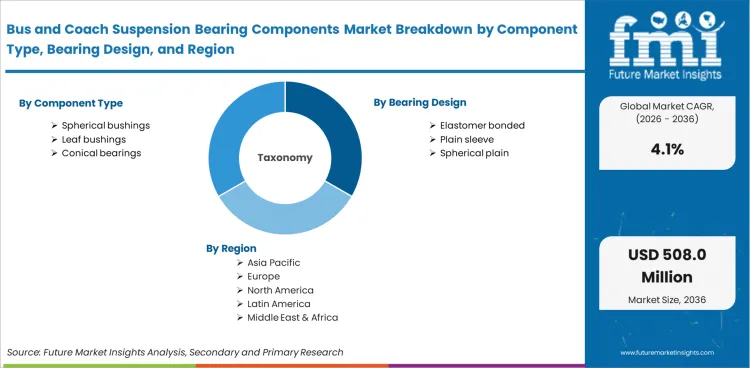
- Spherical bushings
- Leaf bushings
- Conical bearings
- Stabilizer bearings
Bus and Coach Suspension Bearing Components Market Segmented by Bearing Design
- Elastomer bonded
- Plain sleeve
- Spherical plain
- Tapered roller
Bus and Coach Suspension Bearing Components Market Segmented by Vehicle Type
- City buses
- Intercity coaches
- School buses
- Electric buses
Bus and Coach Suspension Bearing Components Market Segmented by Sales Channel
- OEM
- Aftermarket
Bus and Coach Suspension Bearing Components Market Segmented by Material
- Rubber metal
- Polyurethane
- Thermoplastic
- Steel backed
Bus and Coach Suspension Bearing Components Market Segmented by Suspension System
- Air suspension
- Leaf suspension
- Independent suspension
- Axle modules
Bus and Coach Suspension Bearing Components Market by Region
- North America
- United States
- Canada
- Mexico
- Latin America
- Brazil
- Chile
- Rest of Latin America
- Western Europe
- Germany
- UK
- Italy
- Spain
- France
- Nordic
- BENELUX
- Rest of Western Europe
- Eastern Europe
- Russia
- Poland
- Hungary
- Balkan and Baltic
- Rest of Eastern Europe
- East Asia
- China
- Japan
- South Korea
- South Asia and Pacific
- India
- ASEAN
- Australia and New Zealand
- Rest of South Asia and Pacific
- Middle East and Africa
- Kingdom of Saudi Arabia
- Other GCC Countries
- Turkiye
- South Africa
- Other African Union
- Rest of Middle East and Africa
Research Sources and Bibliography
- 1. American Public Transportation Association. (2025). 2025 Public Transportation Fact Book. APTA
- 2. American Public Transportation Association. (2025). APTA Annual Report 2025. APTA.
- 3. European Automobile Manufacturers Association. (2026, January). New commercial vehicle registrations: vans -8.8%, trucks -6.2%, buses +7.5% in 2025. ACEA.
- 4. International Organization of Motor Vehicle Manufacturers. (2025, October). World motor vehicle production by country and type 2024. OICA.
- 5. Japan Automobile Manufacturers Association. (2025, September). The Motor Industry of Japan 2025. JAMA.
- 6. Society of Indian Automobile Manufacturers. (2026, February). Roadmap for accelerated adoption of e-buses in India. SIAM.
- 7. International Council on Clean Transportation. (2025, March). China zero-emission truck and bus market reaches historic high of 230,000 units sold in 2024. ICCT.
- 8. ZF Friedrichshafen AG. (2025, October). ZF next generation of axles for bus and coach. ZF Press.
- 9. ZF Friedrichshafen AG. (2025, June). Production milestone for CeTrax electric central drive. ZF Press.
- 10. Continental AG. (2024, August). Commercial vehicle air spring from Continental can withstand range of temperatures. Continental.;
- 11. Vibracoustic SE. (2025, April). Vibracoustic air springs for enhanced driving comfort and performance. Vibracoustic.
- 13. NTN Corporation. (2025, May). NTN starts proposals of HA-C Bearing. NTN.
- 14. SKF Group. (2025, September). SKF inaugurates super-precision bearing facility in Airasca, Italy. SKF.
- 15. Schaeffler AG. (2026, March). Schaeffler reports solid results for 2025. Schaeffler.
- 16. The Timken Company. (2026, February). Timken reports fourth-quarter and full-year 2025 results. Timken.
- 17. Continental Industry. (2026). Air springs for the aftermarket. Continental.
- 18. Trelleborg Group. (2026). Conical bearing. Trelleborg Anti-Vibration Solutions.
The bibliography is provided for reader reference and uses primary non-commercial government, regulatory, academic, official trade body, or official company publications.
This Report Answers
- What is the current and forecast value of the Bus and Coach Suspension Bearing Components Market from 2026 to 2036?
- What CAGR is expected for the Bus and Coach Suspension Bearing Components Market during the forecast period?
- Which component type is projected to lead the Bus and Coach Suspension Bearing Components Market in 2026?
- Which vehicle type creates the largest demand for bus and coach suspension bearing components?
- What forces drive replacement and OEM demand for bus and coach suspension bearing components?
- How do electric buses change demand for suspension bearing components and rubber metal bushings?
- Which countries are expected to grow fastest in the Bus and Coach Suspension Bearing Components Market?
- Which companies compete in bus and coach suspension bearing components and adjacent suspension systems?
- What products are included and excluded in the Bus and Coach Suspension Bearing Components Market?
- How were the market value and forecast assumptions developed for this report?
Frequently Asked Questions
What is the global market demand for Bus and Coach Suspension Bearing Components in 2026?
In 2026, the global Bus and Coach Suspension Bearing Components Market is expected to be worth USD 326.5 million across OEM and aftermarket channels.
What will be the Bus and Coach Suspension Bearing Components Market value by 2036?
By 2036, the market is projected to reach USD 486.9 million as electric bus platforms raise the value of suspension components.
What CAGR is forecast for the Bus and Coach Suspension Bearing Components Market?
The market is projected to expand at 4.1% CAGR from 2026 to 2036 across new build and replacement demand.
Which component segment is expected to lead in 2026?
Spherical bushings are expected to lead component type demand with 34.2% share in 2026 due to axle joint use.
Which sales channel is expected to lead the market in 2026?
OEM channels are expected to hold 58.6% share in 2026 as suspension bearings are approved during chassis development.
Why is China the fastest growing country in this market?
China is projected at 5.6% CAGR through 2036 as electric bus output and public fleet activity support higher component value.
What does this market include?
This market includes bushings, conical bearings, spherical plain bearings, and rubber metal joints used in bus and coach suspension systems.
How was the forecast prepared?
The forecast used bus production data, public fleet indicators, replacement assumptions, component counts, and supplier portfolio checks across major countries.
Which bushing is best for city bus suspension repair?
Spherical bushings suit high-motion axle joints, while leaf spring bushings fit spring eye positions. The correct choice depends on the vehicle platform.
How much does a bus suspension bushing cost?
Replacement price varies by vehicle model and supplier grade. Fleet workshops compare unit price against service life and downtime risk.
What is the difference between rubber metal and polyurethane bushings?
Rubber metal bushings damp noise and vibration better, while polyurethane can offer firmer movement control. Bus operators choose based on ride and wear needs.
Who uses bus and coach suspension bearing components?
Bus OEMs, axle suppliers, public transport depots, school bus fleets, and aftermarket distributors use these components for vehicle build and maintenance.
How long do bus suspension bearing components last?
Service life depends on route intensity, axle load, road quality, and part grade. Urban stop-start fleets usually replace parts sooner than intercity coaches
Preview the report firsthand - request a free sample
Get SampleGet the brochure for pricing and purchase details.
Get PDFTable of Content
- Executive Summary
- Global Market Outlook
- Demand-side Trends
- Supply-side Trends
- Technology Roadmap Analysis
- Analysis and Recommendations
- Market Overview
- Market Coverage / Taxonomy
- Market Definition / Scope / Limitations
- Research Methodology
- Chapter Orientation
- Analytical Lens and Working Hypotheses
- Market Structure, Signals, and Trend Drivers
- Benchmarking and Cross-market Comparability
- Market Sizing, Forecasting, and Opportunity Mapping
- Research Design and Evidence Framework
- Desk Research Programme (Secondary Evidence)
- Company Annual and Sustainability Reports
- Peer-reviewed Journals and Academic Literature
- Corporate Websites, Product Literature, and Technical Notes
- Earnings Decks and Investor Briefings
- Statutory Filings and Regulatory Disclosures
- Technical White Papers and Standards Notes
- Trade Journals, Industry Magazines, and Analyst Briefs
- Conference Proceedings, Webinars, and Seminar Materials
- Government Statistics Portals and Public Data Releases
- Press Releases and Reputable Media Coverage
- Specialist Newsletters and Curated Briefings
- Sector Databases and Reference Repositories
- FMI Internal Proprietary Databases and Historical Market Datasets
- Subscription Datasets and Paid Sources
- Social Channels, Communities, and Digital Listening Inputs
- Additional Desk Sources
- Expert Input and Fieldwork (Primary Evidence)
- Primary Modes
- Qualitative Interviews and Expert Elicitation
- Quantitative Surveys and Structured Data Capture
- Blended Approach
- Why Primary Evidence is Used
- Field Techniques
- Interviews
- Surveys
- Focus Groups
- Observational and In-context Research
- Social and Community Interactions
- Stakeholder Universe Engaged
- C-suite Leaders
- Board Members
- Presidents and Vice Presidents
- R&D and Innovation Heads
- Technical Specialists
- Domain Subject-matter Experts
- Scientists
- Physicians and Other Healthcare Professionals
- Governance, Ethics, and Data Stewardship
- Research Ethics
- Data Integrity and Handling
- Primary Modes
- Tooling, Models, and Reference Databases
- Desk Research Programme (Secondary Evidence)
- Data Engineering and Model Build
- Data Acquisition and Ingestion
- Cleaning, Normalisation, and Verification
- Synthesis, Triangulation, and Analysis
- Quality Assurance and Audit Trail
- Market Background
- Market Dynamics
- Drivers
- Restraints
- Opportunity
- Trends
- Scenario Forecast
- Demand in Optimistic Scenario
- Demand in Likely Scenario
- Demand in Conservative Scenario
- Opportunity Map Analysis
- Product Life Cycle Analysis
- Supply Chain Analysis
- Investment Feasibility Matrix
- Value Chain Analysis
- PESTLE and Porter’s Analysis
- Regulatory Landscape
- Regional Parent Market Outlook
- Production and Consumption Statistics
- Import and Export Statistics
- Market Dynamics
- Global Market Analysis 2021 to 2025 and Forecast, 2026 to 2036
- Historical Market Size Value (USD Million) Analysis, 2021 to 2025
- Current and Future Market Size Value (USD Million) Projections, 2026 to 2036
- Y-o-Y Growth Trend Analysis
- Absolute $ Opportunity Analysis
- Global Market Pricing Analysis 2021 to 2025 and Forecast 2026 to 2036
- Global Market Analysis 2021 to 2025 and Forecast 2026 to 2036, By Component Type
- Introduction / Key Findings
- Historical Market Size Value (USD Million) Analysis By Component Type , 2021 to 2025
- Current and Future Market Size Value (USD Million) Analysis and Forecast By Component Type , 2026 to 2036
- Spherical bushings
- Leaf bushings
- Conical bearings
- Spherical bushings
- Y-o-Y Growth Trend Analysis By Component Type , 2021 to 2025
- Absolute $ Opportunity Analysis By Component Type , 2026 to 2036
- Global Market Analysis 2021 to 2025 and Forecast 2026 to 2036, By Bearing Design
- Introduction / Key Findings
- Historical Market Size Value (USD Million) Analysis By Bearing Design, 2021 to 2025
- Current and Future Market Size Value (USD Million) Analysis and Forecast By Bearing Design, 2026 to 2036
- Elastomer bonded
- Plain sleeve
- Spherical plain
- Elastomer bonded
- Y-o-Y Growth Trend Analysis By Bearing Design, 2021 to 2025
- Absolute $ Opportunity Analysis By Bearing Design, 2026 to 2036
- Global Market Analysis 2021 to 2025 and Forecast 2026 to 2036, By Vehicle Type
- Introduction / Key Findings
- Historical Market Size Value (USD Million) Analysis By Vehicle Type, 2021 to 2025
- Current and Future Market Size Value (USD Million) Analysis and Forecast By Vehicle Type, 2026 to 2036
- City Buses
- Intercity coaches
- School buses
- City Buses
- Y-o-Y Growth Trend Analysis By Vehicle Type, 2021 to 2025
- Absolute $ Opportunity Analysis By Vehicle Type, 2026 to 2036
- Global Market Analysis 2021 to 2025 and Forecast 2026 to 2036, By Sales Channel
- Introduction / Key Findings
- Historical Market Size Value (USD Million) Analysis By Sales Channel, 2021 to 2025
- Current and Future Market Size Value (USD Million) Analysis and Forecast By Sales Channel, 2026 to 2036
- OEM Sales
- Aftermarket
- OEM Sales
- Y-o-Y Growth Trend Analysis By Sales Channel, 2021 to 2025
- Absolute $ Opportunity Analysis By Sales Channel, 2026 to 2036
- Global Market Analysis 2021 to 2025 and Forecast 2026 to 2036, By Material
- Introduction / Key Findings
- Historical Market Size Value (USD Million) Analysis By Material, 2021 to 2025
- Current and Future Market Size Value (USD Million) Analysis and Forecast By Material, 2026 to 2036
- Rubber metal
- Polyurethane
- Thermoplastic
- Rubber metal
- Y-o-Y Growth Trend Analysis By Material, 2021 to 2025
- Absolute $ Opportunity Analysis By Material, 2026 to 2036
- Global Market Analysis 2021 to 2025 and Forecast 2026 to 2036, By Suspension System
- Introduction / Key Findings
- Historical Market Size Value (USD Million) Analysis By Suspension System, 2021 to 2025
- Current and Future Market Size Value (USD Million) Analysis and Forecast By Suspension System, 2026 to 2036
- Air suspension
- Leaf suspension
- Independent suspension
- Air suspension
- Y-o-Y Growth Trend Analysis By Suspension System, 2021 to 2025
- Absolute $ Opportunity Analysis By Suspension System, 2026 to 2036
- Global Market Analysis 2021 to 2025 and Forecast 2026 to 2036, By Region
- Introduction
- Historical Market Size Value (USD Million) Analysis By Region, 2021 to 2025
- Current Market Size Value (USD Million) Analysis and Forecast By Region, 2026 to 2036
- North America
- Latin America
- Western Europe
- Eastern Europe
- East Asia
- South Asia and Pacific
- Middle East & Africa
- Market Attractiveness Analysis By Region
- North America Market Analysis 2021 to 2025 and Forecast 2026 to 2036, By Country
- Historical Market Size Value (USD Million) Trend Analysis By Market Taxonomy, 2021 to 2025
- Market Size Value (USD Million) Forecast By Market Taxonomy, 2026 to 2036
- By Country
- USA
- Canada
- Mexico
- By Component Type
- By Bearing Design
- By Vehicle Type
- By Sales Channel
- By Material
- By Suspension System
- By Country
- Market Attractiveness Analysis
- By Country
- By Component Type
- By Bearing Design
- By Vehicle Type
- By Sales Channel
- By Material
- By Suspension System
- Key Takeaways
- Latin America Market Analysis 2021 to 2025 and Forecast 2026 to 2036, By Country
- Historical Market Size Value (USD Million) Trend Analysis By Market Taxonomy, 2021 to 2025
- Market Size Value (USD Million) Forecast By Market Taxonomy, 2026 to 2036
- By Country
- Brazil
- Chile
- Rest of Latin America
- By Component Type
- By Bearing Design
- By Vehicle Type
- By Sales Channel
- By Material
- By Suspension System
- By Country
- Market Attractiveness Analysis
- By Country
- By Component Type
- By Bearing Design
- By Vehicle Type
- By Sales Channel
- By Material
- By Suspension System
- Key Takeaways
- Western Europe Market Analysis 2021 to 2025 and Forecast 2026 to 2036, By Country
- Historical Market Size Value (USD Million) Trend Analysis By Market Taxonomy, 2021 to 2025
- Market Size Value (USD Million) Forecast By Market Taxonomy, 2026 to 2036
- By Country
- Germany
- UK
- Italy
- Spain
- France
- Nordic
- BENELUX
- Rest of Western Europe
- By Component Type
- By Bearing Design
- By Vehicle Type
- By Sales Channel
- By Material
- By Suspension System
- By Country
- Market Attractiveness Analysis
- By Country
- By Component Type
- By Bearing Design
- By Vehicle Type
- By Sales Channel
- By Material
- By Suspension System
- Key Takeaways
- Eastern Europe Market Analysis 2021 to 2025 and Forecast 2026 to 2036, By Country
- Historical Market Size Value (USD Million) Trend Analysis By Market Taxonomy, 2021 to 2025
- Market Size Value (USD Million) Forecast By Market Taxonomy, 2026 to 2036
- By Country
- Russia
- Poland
- Hungary
- Balkan & Baltic
- Rest of Eastern Europe
- By Component Type
- By Bearing Design
- By Vehicle Type
- By Sales Channel
- By Material
- By Suspension System
- By Country
- Market Attractiveness Analysis
- By Country
- By Component Type
- By Bearing Design
- By Vehicle Type
- By Sales Channel
- By Material
- By Suspension System
- Key Takeaways
- East Asia Market Analysis 2021 to 2025 and Forecast 2026 to 2036, By Country
- Historical Market Size Value (USD Million) Trend Analysis By Market Taxonomy, 2021 to 2025
- Market Size Value (USD Million) Forecast By Market Taxonomy, 2026 to 2036
- By Country
- China
- Japan
- South Korea
- By Component Type
- By Bearing Design
- By Vehicle Type
- By Sales Channel
- By Material
- By Suspension System
- By Country
- Market Attractiveness Analysis
- By Country
- By Component Type
- By Bearing Design
- By Vehicle Type
- By Sales Channel
- By Material
- By Suspension System
- Key Takeaways
- South Asia and Pacific Market Analysis 2021 to 2025 and Forecast 2026 to 2036, By Country
- Historical Market Size Value (USD Million) Trend Analysis By Market Taxonomy, 2021 to 2025
- Market Size Value (USD Million) Forecast By Market Taxonomy, 2026 to 2036
- By Country
- India
- ASEAN
- Australia & New Zealand
- Rest of South Asia and Pacific
- By Component Type
- By Bearing Design
- By Vehicle Type
- By Sales Channel
- By Material
- By Suspension System
- By Country
- Market Attractiveness Analysis
- By Country
- By Component Type
- By Bearing Design
- By Vehicle Type
- By Sales Channel
- By Material
- By Suspension System
- Key Takeaways
- Middle East & Africa Market Analysis 2021 to 2025 and Forecast 2026 to 2036, By Country
- Historical Market Size Value (USD Million) Trend Analysis By Market Taxonomy, 2021 to 2025
- Market Size Value (USD Million) Forecast By Market Taxonomy, 2026 to 2036
- By Country
- Kingdom of Saudi Arabia
- Other GCC Countries
- Turkiye
- South Africa
- Other African Union
- Rest of Middle East & Africa
- By Component Type
- By Bearing Design
- By Vehicle Type
- By Sales Channel
- By Material
- By Suspension System
- By Country
- Market Attractiveness Analysis
- By Country
- By Component Type
- By Bearing Design
- By Vehicle Type
- By Sales Channel
- By Material
- By Suspension System
- Key Takeaways
- Key Countries Market Analysis
- USA
- Pricing Analysis
- Market Share Analysis, 2025
- By Component Type
- By Bearing Design
- By Vehicle Type
- By Sales Channel
- By Material
- By Suspension System
- Canada
- Pricing Analysis
- Market Share Analysis, 2025
- By Component Type
- By Bearing Design
- By Vehicle Type
- By Sales Channel
- By Material
- By Suspension System
- Mexico
- Pricing Analysis
- Market Share Analysis, 2025
- By Component Type
- By Bearing Design
- By Vehicle Type
- By Sales Channel
- By Material
- By Suspension System
- Brazil
- Pricing Analysis
- Market Share Analysis, 2025
- By Component Type
- By Bearing Design
- By Vehicle Type
- By Sales Channel
- By Material
- By Suspension System
- Chile
- Pricing Analysis
- Market Share Analysis, 2025
- By Component Type
- By Bearing Design
- By Vehicle Type
- By Sales Channel
- By Material
- By Suspension System
- Germany
- Pricing Analysis
- Market Share Analysis, 2025
- By Component Type
- By Bearing Design
- By Vehicle Type
- By Sales Channel
- By Material
- By Suspension System
- UK
- Pricing Analysis
- Market Share Analysis, 2025
- By Component Type
- By Bearing Design
- By Vehicle Type
- By Sales Channel
- By Material
- By Suspension System
- Italy
- Pricing Analysis
- Market Share Analysis, 2025
- By Component Type
- By Bearing Design
- By Vehicle Type
- By Sales Channel
- By Material
- By Suspension System
- Spain
- Pricing Analysis
- Market Share Analysis, 2025
- By Component Type
- By Bearing Design
- By Vehicle Type
- By Sales Channel
- By Material
- By Suspension System
- France
- Pricing Analysis
- Market Share Analysis, 2025
- By Component Type
- By Bearing Design
- By Vehicle Type
- By Sales Channel
- By Material
- By Suspension System
- India
- Pricing Analysis
- Market Share Analysis, 2025
- By Component Type
- By Bearing Design
- By Vehicle Type
- By Sales Channel
- By Material
- By Suspension System
- ASEAN
- Pricing Analysis
- Market Share Analysis, 2025
- By Component Type
- By Bearing Design
- By Vehicle Type
- By Sales Channel
- By Material
- By Suspension System
- Australia & New Zealand
- Pricing Analysis
- Market Share Analysis, 2025
- By Component Type
- By Bearing Design
- By Vehicle Type
- By Sales Channel
- By Material
- By Suspension System
- China
- Pricing Analysis
- Market Share Analysis, 2025
- By Component Type
- By Bearing Design
- By Vehicle Type
- By Sales Channel
- By Material
- By Suspension System
- Japan
- Pricing Analysis
- Market Share Analysis, 2025
- By Component Type
- By Bearing Design
- By Vehicle Type
- By Sales Channel
- By Material
- By Suspension System
- South Korea
- Pricing Analysis
- Market Share Analysis, 2025
- By Component Type
- By Bearing Design
- By Vehicle Type
- By Sales Channel
- By Material
- By Suspension System
- Russia
- Pricing Analysis
- Market Share Analysis, 2025
- By Component Type
- By Bearing Design
- By Vehicle Type
- By Sales Channel
- By Material
- By Suspension System
- Poland
- Pricing Analysis
- Market Share Analysis, 2025
- By Component Type
- By Bearing Design
- By Vehicle Type
- By Sales Channel
- By Material
- By Suspension System
- Hungary
- Pricing Analysis
- Market Share Analysis, 2025
- By Component Type
- By Bearing Design
- By Vehicle Type
- By Sales Channel
- By Material
- By Suspension System
- Kingdom of Saudi Arabia
- Pricing Analysis
- Market Share Analysis, 2025
- By Component Type
- By Bearing Design
- By Vehicle Type
- By Sales Channel
- By Material
- By Suspension System
- Turkiye
- Pricing Analysis
- Market Share Analysis, 2025
- By Component Type
- By Bearing Design
- By Vehicle Type
- By Sales Channel
- By Material
- By Suspension System
- South Africa
- Pricing Analysis
- Market Share Analysis, 2025
- By Component Type
- By Bearing Design
- By Vehicle Type
- By Sales Channel
- By Material
- By Suspension System
- USA
- Market Structure Analysis
- Competition Dashboard
- Competition Benchmarking
- Market Share Analysis of Top Players
- By Regional
- By Component Type
- By Bearing Design
- By Vehicle Type
- By Sales Channel
- By Material
- By Suspension System
- Competition Analysis
- Competition Deep Dive
- SKF
- Overview
- Product Portfolio
- Profitability by Market Segments (Product/Age /Sales Channel/Region)
- Sales Footprint
- Strategy Overview
- Marketing Strategy
- Product Strategy
- Channel Strategy
- Schaeffler
- Timken
- NTN
- NSK
- ZF
- SKF
- Competition Deep Dive
- Assumptions & Acronyms Used


